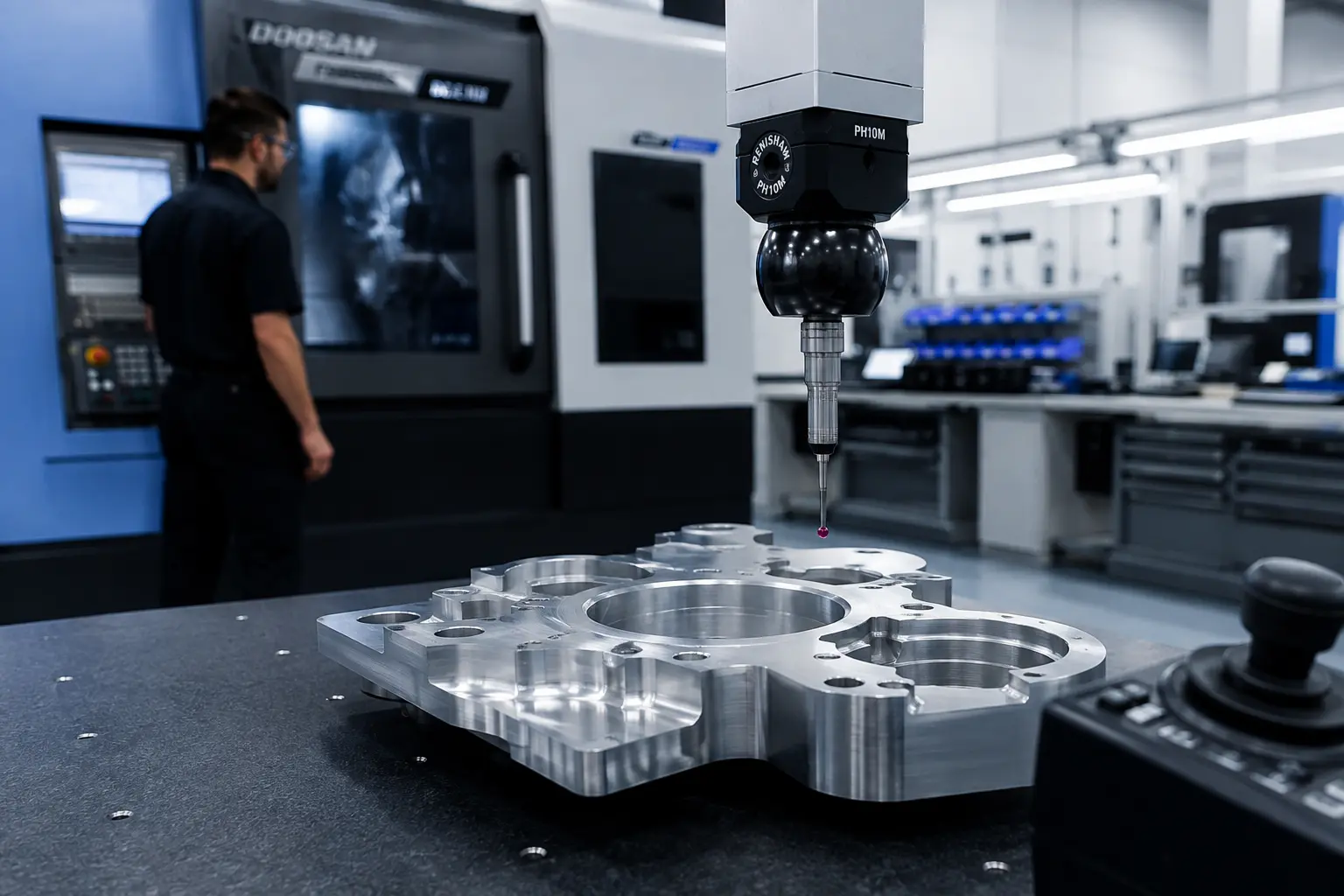
Why is American Manufacturing Becoming More Strategic Than Ever?
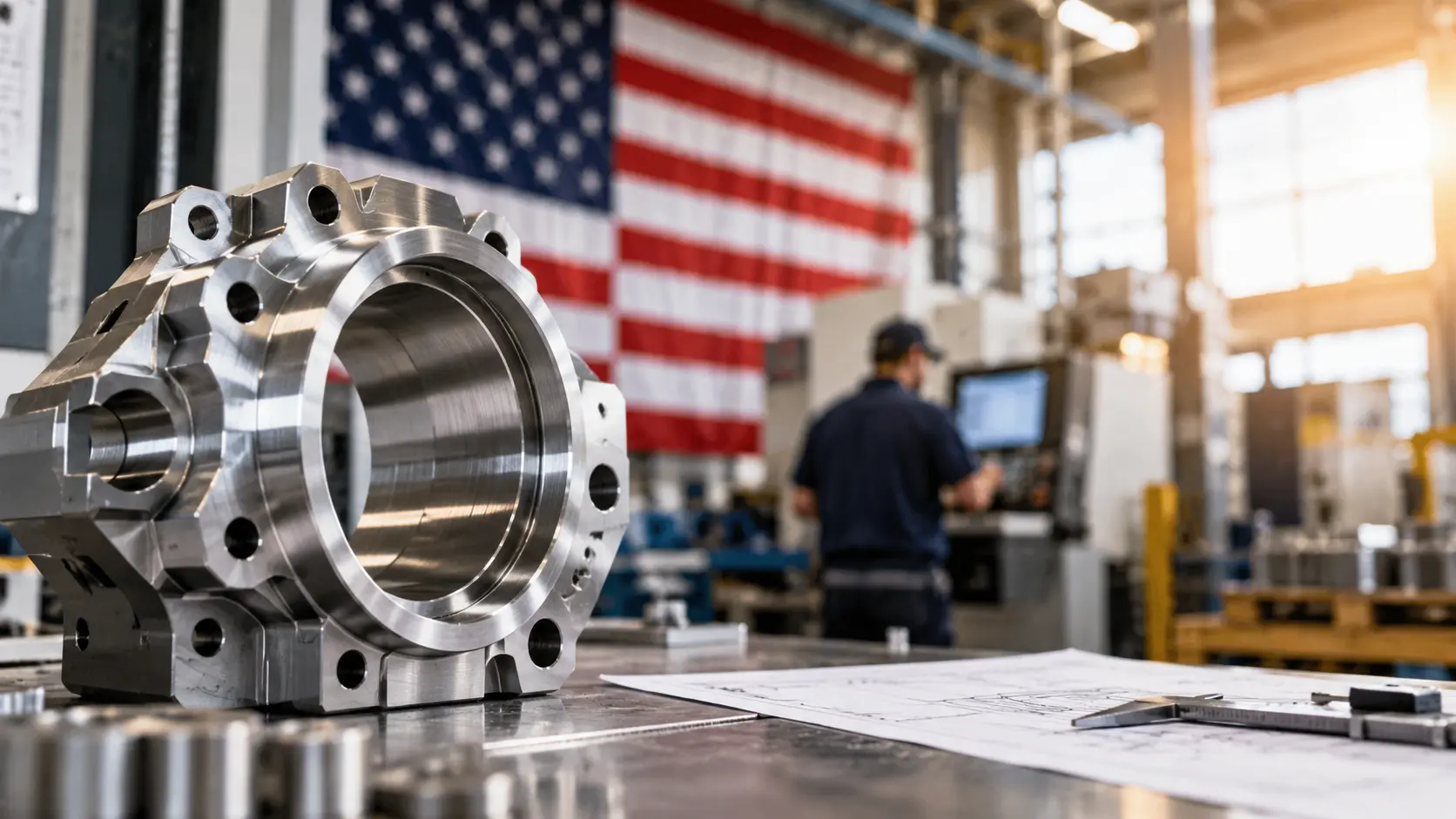
For decades, manufacturing strategy often came down to where we could make it efficiently, to the right quality, at the lowest reasonable cost. That equation is changing.
Cost still matters. So do quality, lead times, and productivity.
But manufacturers are increasingly being asked to consider how resilient our operations are when the unexpected happens. Supply chain disruptions, national security concerns, rapidly advancing technology, tariffs, and renewed investment in domestic production have pushed American manufacturing into a much more strategic role.
For manufacturing executives, this goes beyond just being a “Made in America” issue. It’s about setting up operations that respond more quickly and manage more variables.
It’s also about remaining reliable as conditions change.
Manufacturing Is Now a Supply Chain Strategy
The past several years exposed just how quickly a disruption thousands of miles away becomes a production problem on an American shop floor. That experience changed the conversation around sourcing.
The need for resilient supply chains is a major reason for bringing production back home. Producing nearer to home reduces some of the risks in the supply chain, increases responsiveness, and gives manufacturers more choices when circumstances change.
That doesn’t mean every component suddenly needs to be produced domestically. It means manufacturers are looking more carefully at where their biggest vulnerabilities exist.
What happens if a critical supplier goes offline? How quickly can another supplier take over?
How much visibility do you really have beyond your Tier 1 suppliers? Those questions are becoming just as important as unit cost.
Manufacturing supply chains are important to both national security and economic resilience, but they also pose risks, including disruption, fraud, and counterfeit materials.
Domestic Capability Has Become a Competitive Asset
American manufacturing is also becoming more strategic because capabilities themselves have value. Being able to machine, fabricate, inspect, and deliver a critical component domestically gives customers the control they increasingly care about.
It therefore results in shorter communication loops, better visibility throughout the supply chain, easier collaboration when engineering changes are needed, and possibly quicker responses if schedules suddenly change. This is especially important in sectors such as aerospace, defense, semiconductors, energy, and other critical infrastructure sectors.
A strong domestic manufacturing base is important to both U.S. economic and national security, particularly for products and materials essential to defense, healthcare, and infrastructure. This strategic importance is also showing up in investment.
According to the U.S. Bureau of Economic Analysis, manufacturing accounted for $121.8 billion, or 52.5%, of new foreign direct investment expenditures in the United States in 2025. That is a meaningful signal for companies that continue to see value in maintaining manufacturing capability in the United States.
Technology Is Raising the Stakes
The other reason manufacturing matters more strategically today is that the factory floor is increasingly where innovation becomes real. Designing an advanced product is one challenge.
Producing it repeatedly, economically, and at scale is another. That gap between innovation and scalable production is receiving significant attention.
The 2026 Manufacturing USA strategic plan emphasizes transitioning emerging technologies into domestic manufacturing capabilities, strengthening supply chains, improving competitiveness, and developing the advanced manufacturing workforce. For individual manufacturers, this makes investments in automation, advanced machining, inspection, process control, and workforce development more than simple equipment upgrades.
They become strategic capabilities. A machine that holds tighter tolerances is valuable.
A manufacturing system that consistently meets those tolerances, documents the results, and quickly adapts to new requirements is considerably more valuable.
Precision Matters Because Failure Is Expensive
As American manufacturers take on increasingly demanding work, precision becomes part of the larger strategic picture. In aerospace, defense, and other high-performance applications, a seemingly small deviation can have far-reaching consequences.
That means customers aren’t simply buying a machined or fabricated part. They’re buying confidence that the part will meet specifications, arrive when expected, and perform as intended.
The strongest manufacturers understand that precision isn’t limited to dimensional tolerances. It extends to planning, documentation, inspection, scheduling, communication, and repeatability.
The Bigger Opportunity for Manufacturers
American manufacturing becoming more strategic doesn’t guarantee success for every domestic manufacturer. It creates an opportunity for the manufacturers prepared to deliver.
Leadership teams should be asking:
- Where are our customers’ biggest supply chain risks?
- Which capabilities make us difficult to replace?
- Where could automation or better technology improve consistency?
- Can we provide the traceability increasingly expected in critical supply chains?
- Are we developing the workforce needed for tomorrow’s manufacturing requirements?
The companies that answer those questions well aren’t simply making parts. They’re becoming stronger links in a much larger industrial system.
And that may be the biggest shift of all. American manufacturing is increasingly valued not only for what it produces but also for the resilience, capability, responsiveness, and confidence it provides.
If you have any questions, you can call 972-461-1920 or email sales@Gemco-MFG.com.
About Gemco
Precision CNC turning and milling for oil & gas, aerospace, defense, medical, and industrial customers, handling jobs complete since 1967.