How Better Planning Reduces Manufacturing Delay Costs
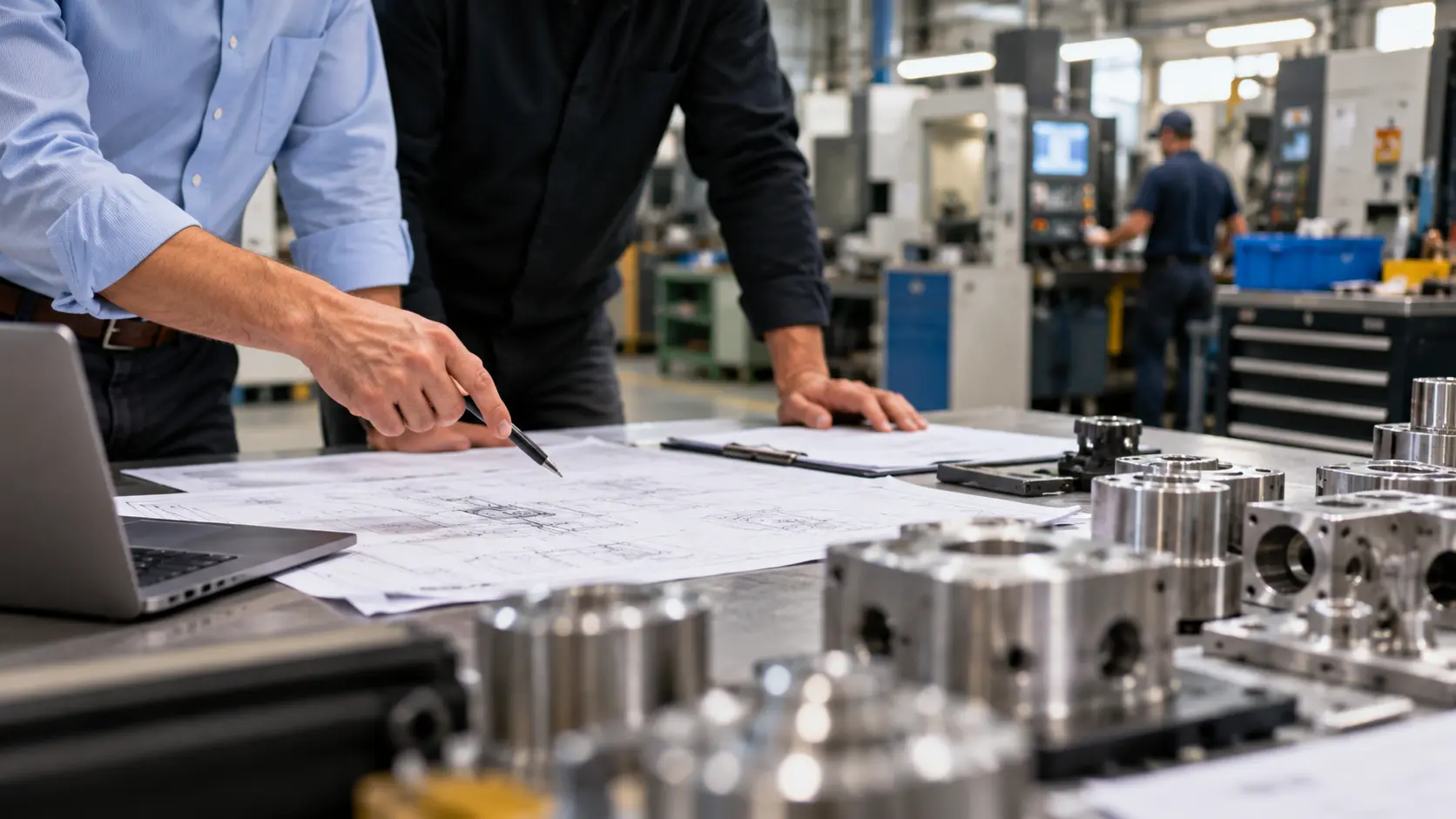
Time is money in manufacturing. Late-arriving materials, equipment failures, and a production schedule that is not realistic enough to account for the real world all have knock-on effects across the operation.
Suddenly, teams are working overtime, customers are waiting, and profit margins are getting smaller. The biggest expense is the delay and everything that results from it.
The good news is that many of these costs can decrease through better planning, stronger communication, and a more proactive approach to production.
The Real Cost of a Manufacturing Delay
When production falls behind, most people focus on catching up. However, just chasing the deadline can hide other costs that quietly hurt profitability.
Labor Costs That Keep Growing
When production stops, labor costs may continue as employees spend hours waiting for materials, switching tasks, or working overtime to make up for lost time. Even when workers stay busy, constantly changing priorities can lower overall efficiency.
Equipment and Capacity That Go Underused
A machine sitting idle because a critical component hasn’t arrived represents more than lost production time. It represents capacity that could have been used to complete another order.
For manufacturers using specialized equipment, missing these opportunities is especially costly.
Expedited Shipping and Emergency Purchasing
When schedules fall behind, manufacturers use faster shipping, rush orders, or different suppliers to speed up the process. While these steps can help meet delivery promises, they often reduce the project’s profit.
Customer Relationships Become Harder to Maintain
Missing deadlines can hurt your customers who plan their assembly operations, installation schedules, and downstream production around your expected delivery times. Material shortages, transportation delays, and a lack of visibility into your supply chain weaken customer relationships.
Why Manufacturing Delays Start Before Production Runs Begin
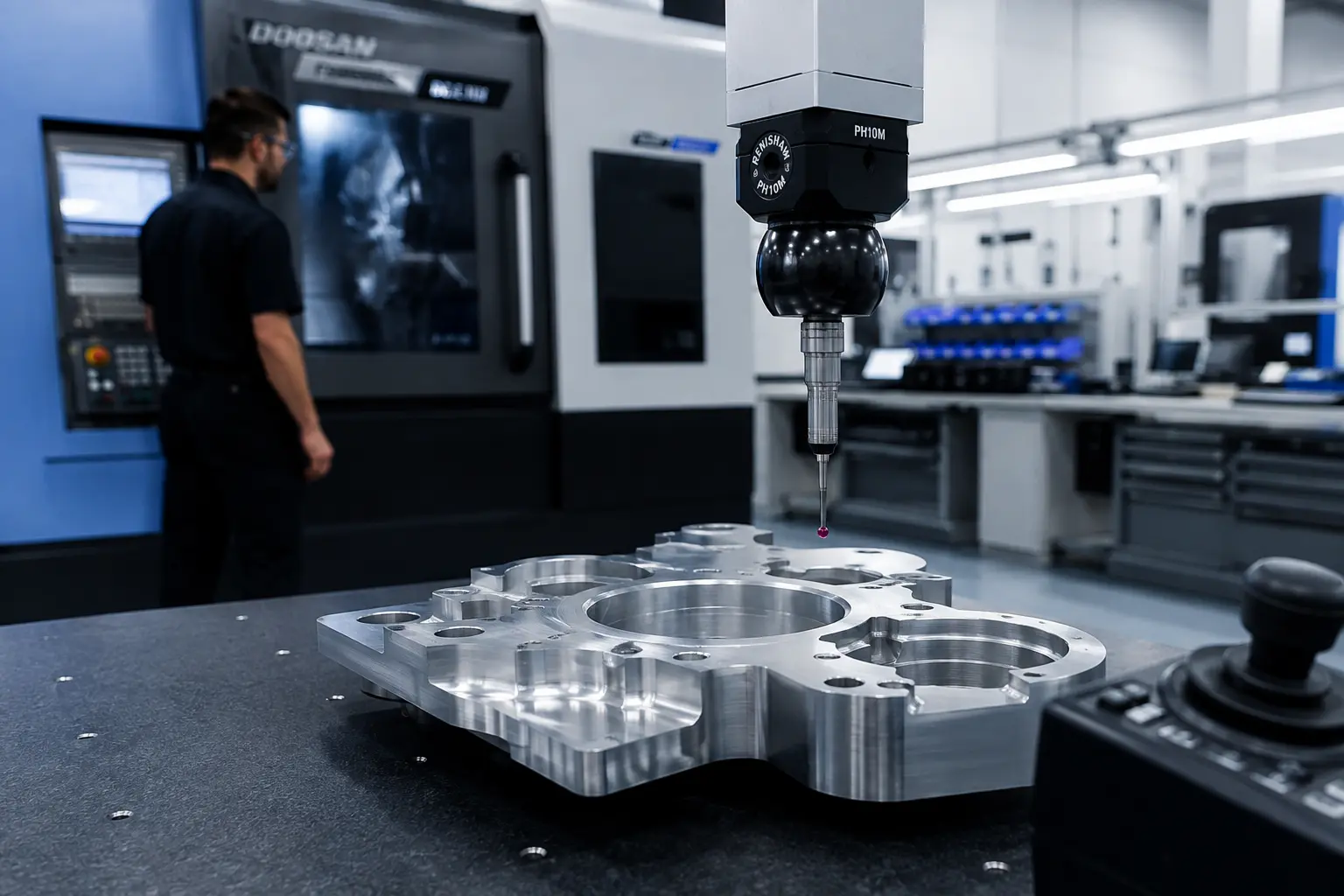
Schedule planners can forget key processes in production line schedules. A precision part requires machining, inspection, finishing, and final assembly, but schedule planners forget to account for inspection capacity or outside finishing lead times.
This project will fall behind even if machining goes smoothly because inspection wasn’t in the schedule. Unrealistic production timelines that leave little room for disruptions are another common scheduling gap. Are production materials available when you need them is another scheduling challenge.
Poor communication among purchasing, production, and quality teams results in a lack of visibility into equipment capacity and competing roles, leading to additional schedule delays. Last-minute engineering changes and no schedule adjustment can also lead to schedule delays.
These are small issues on their own, but together they cause major operational problems. Research shows manufacturers handle disruptions better when they use connected production data and flexible schedules.
Better Planning Starts With Better Visibility
Manufacturers need enough visibility to spot problems before they get costly. This starts with knowing what’s happening throughout the whole production process.
Actual Capacity Determines Schedules
Production equipment availability, workforce skills, production material lead times, and inspection needs are the drivers of a good production schedule. Running every machine at 100% capacity may seem efficient, but it leaves little room for changes.
A realistic schedule leaves room to manage unexpected demands without disrupting other projects.
Identify Critical Materials Early
Whether a production schedule works often depends on having the right materials. Checking for critical materials before starting helps identify shortages and enables earlier purchasing decisions.
For key parts, considering backup suppliers or maintaining extra inventory can reduce risk. Coordinating purchasing, inventory, production, and financial planning strengthens the supply chain.
Make Communication Part of the Production Plan
Purchasing needs to know production priorities to buy the required materials; quality teams should see upcoming inspections; and production managers need updates when production materials or engineering needs change. Regular communication helps teams spot problems before they affect delivery.
The goal isn’t to have more meetings, but to avoid unexpected issues.
Small Planning Improvements Deliver Meaningful Results
Often, the best improvements are simple. For example, a manufacturer might find that most delays come from inspection delays.
Don’t buy new equipment quickly. Instead, leaders should review inspection schedules to prioritize important jobs sooner.
They can also improve teamwork between production and quality by tracking the reasons orders are late, checking supplier deliveries to monitor equipment downtime, and comparing planned and actual production times. These measures help manufacturers move beyond reacting to problems and begin addressing their underlying causes.
Addressing bottlenecks, improving supplier performance, improving forecasting, and enhancing production coordination are important opportunities for manufacturers to strengthen operations.
Reliable Production Is a Competitive Advantage
Customers must have their manufactured components arrive on time and meet the required specifications to execute their own production schedules. That’s why dependable delivery is just as valuable as technical manufacturing capabilities.
Inside the company, better planning leads to fewer emergencies, steadier workloads, and better profits through meeting customer expectations. Delivering easier-to-manage inventory through a strong supply chain is a competitive advantage.
Planning Protects More Than Deadlines
Delays in manufacturing will always happen sometimes. Equipment can break, materials might be late, and customer needs can change.
But these challenges don’t have to turn into expensive problems every time. The aim is to create an operation that can adapt when things don’t go as planned.
If you want to boost efficiency, protect profits, and build stronger customer relationships, better planning is a great place to start. In manufacturing, the best time is often the time you don’t have to spend catching up.
If you have any questions, you can call 972-461-1920 or email sales@Gemco-MFG.com.
About Gemco
Precision CNC turning and milling for oil & gas, aerospace, defense, medical, and industrial customers, handling jobs complete since 1967.